Curatorial note
Her Voice is presented in the year marking the 70th anniversary of the 1956 Women’s March, a moment remembered for the thousands of women who gathered at the Union Buildings in Pretoria to protest the extension of pass laws to African women.
But the women of 1956 did not suddenly find their voices on that day.
Long before the march, women were already speaking, organising, caring, working, praying, saving, resisting and building community. The march created a moment in which the country could no longer ignore them.
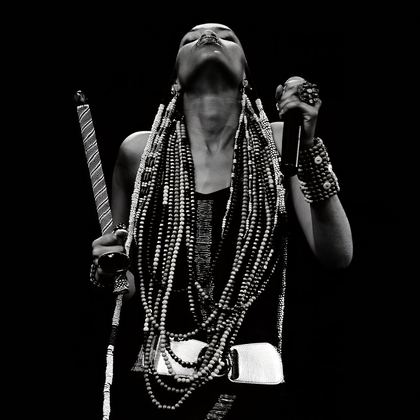
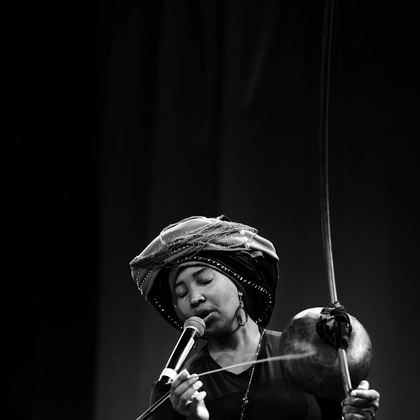
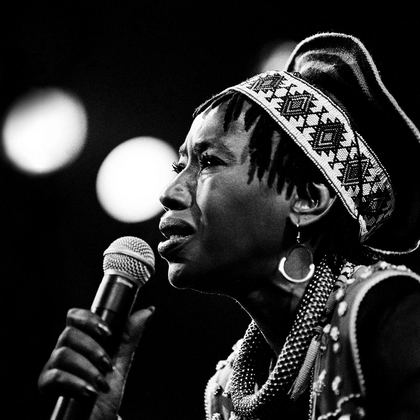
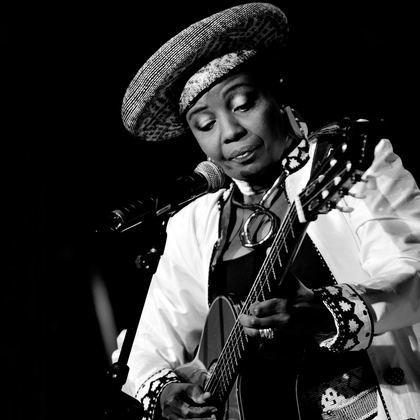
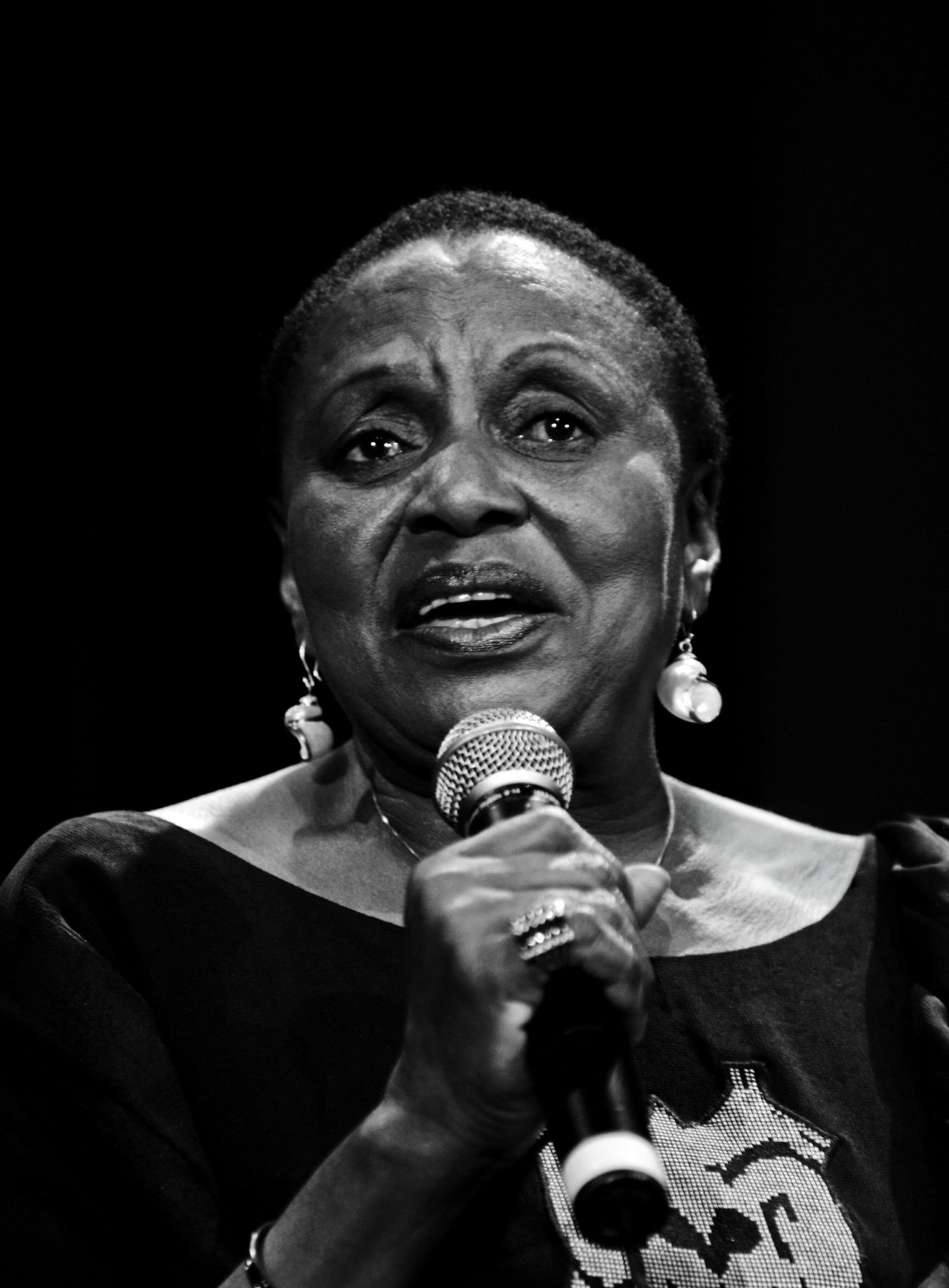
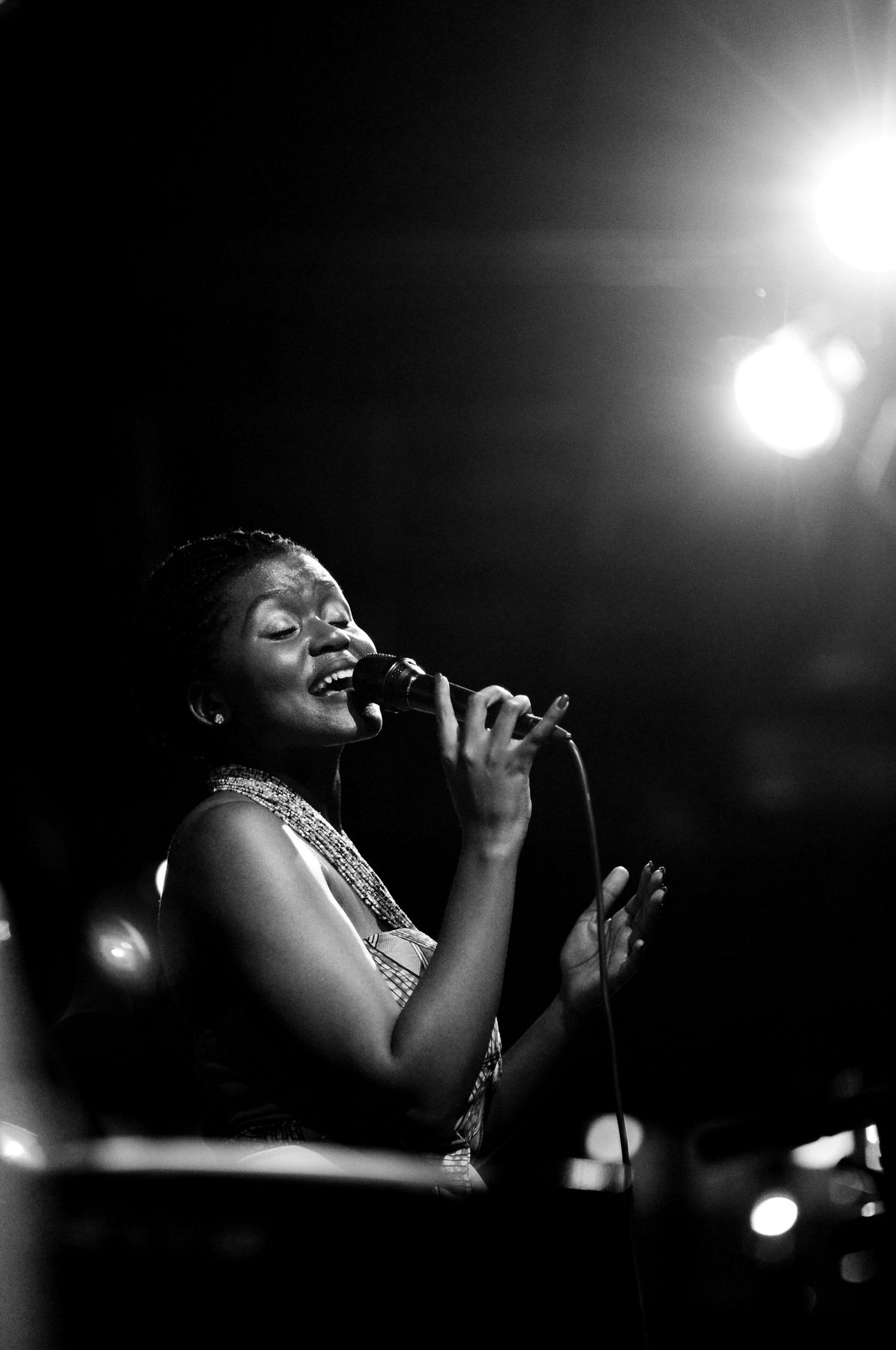
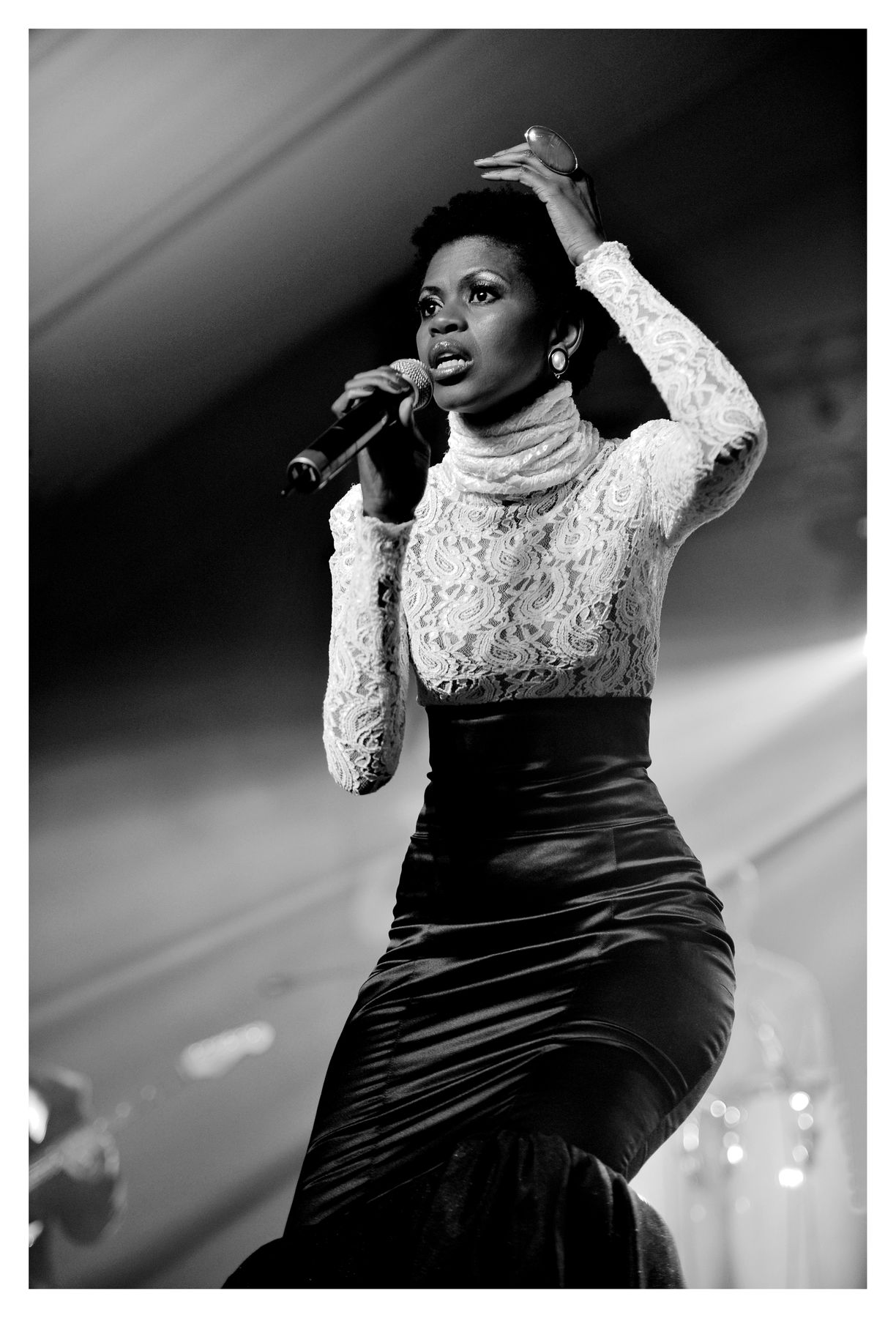
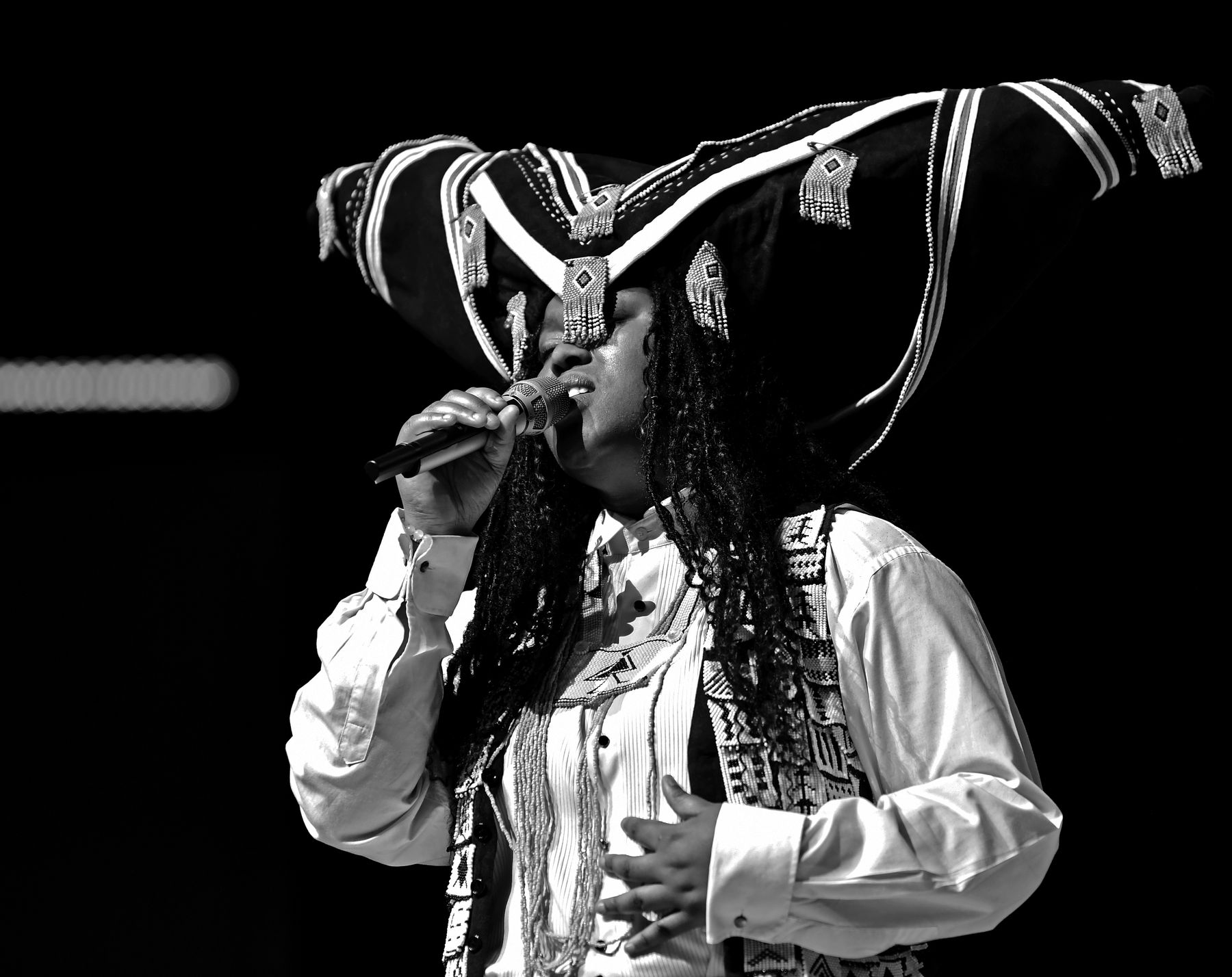
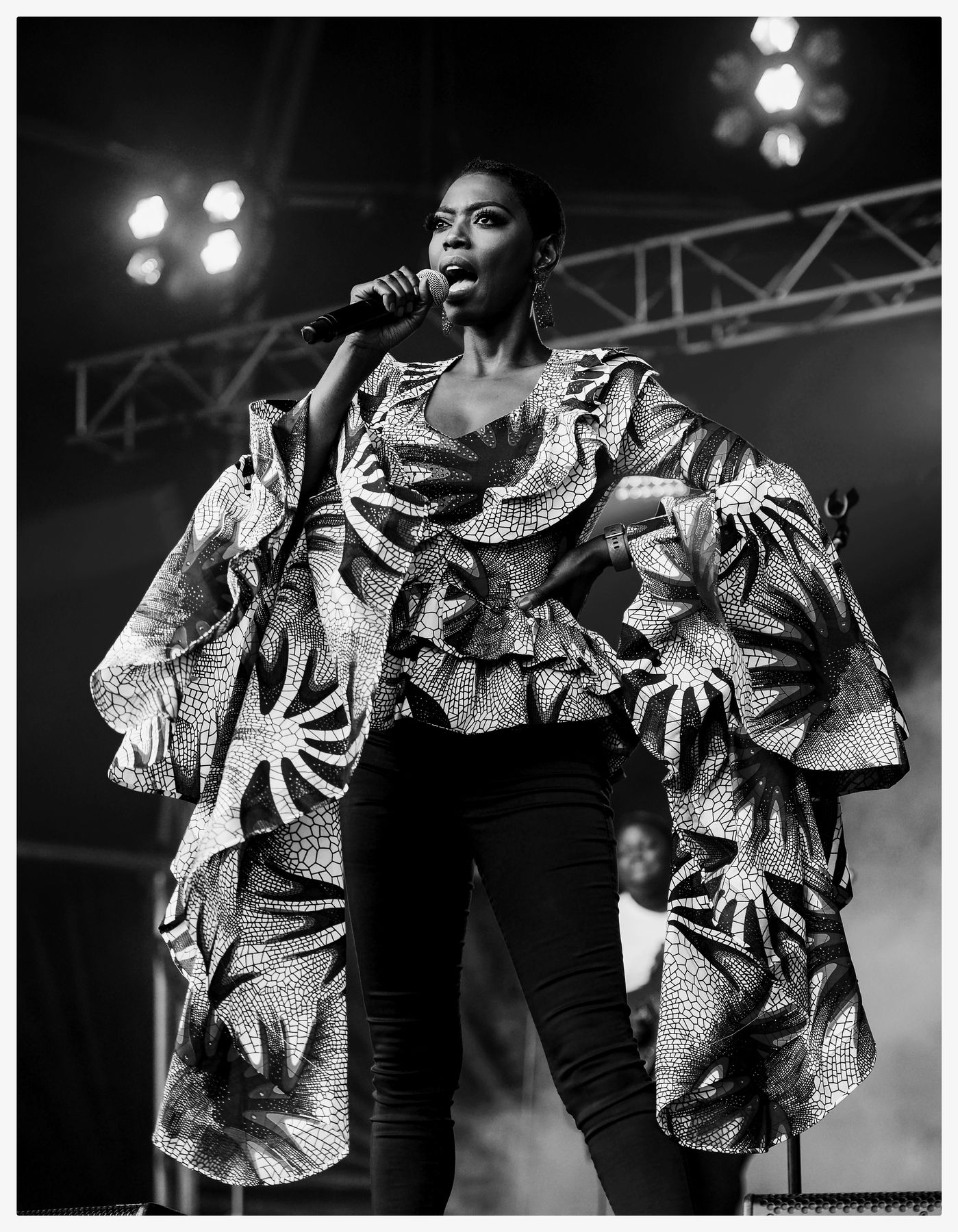
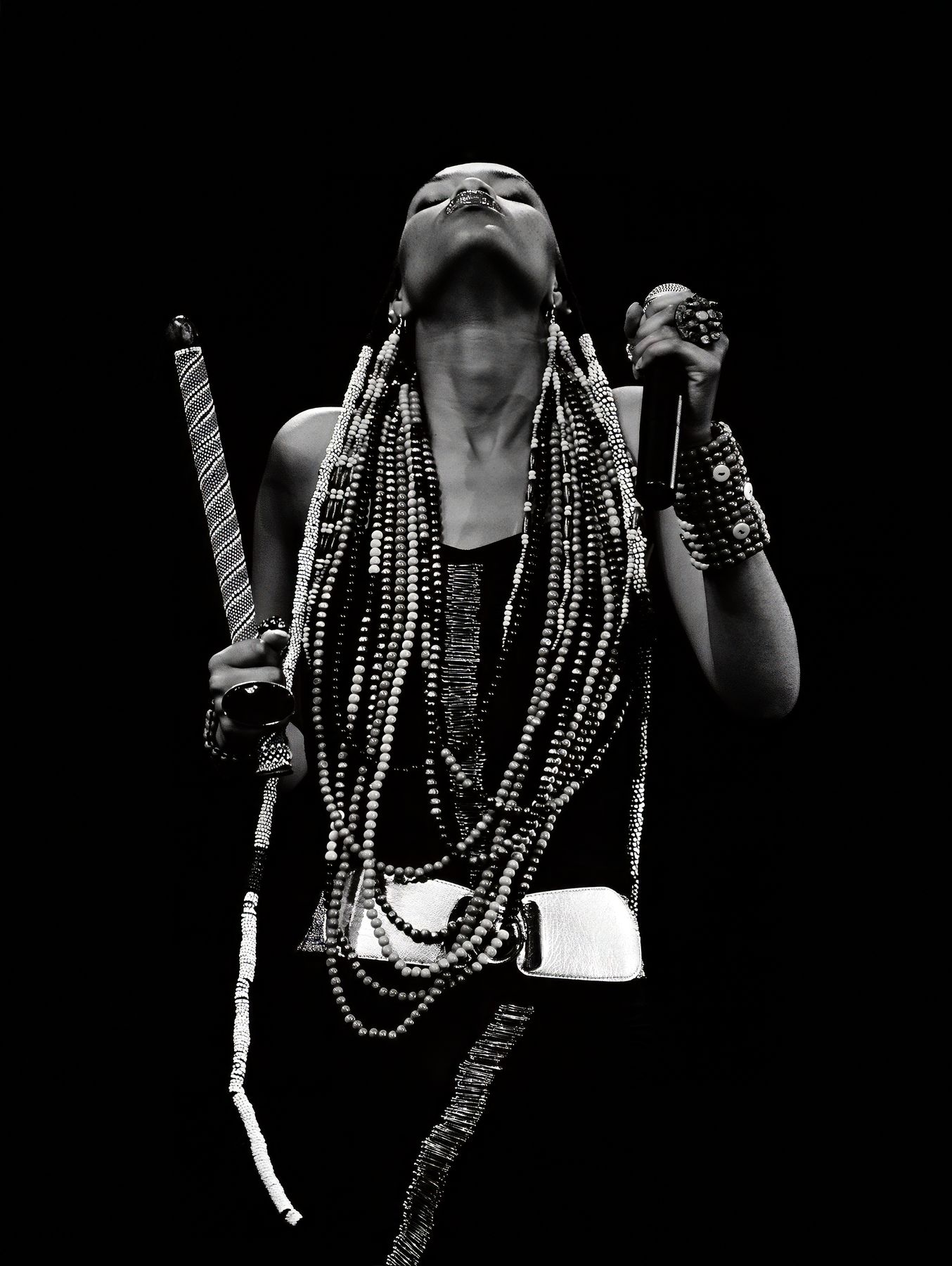
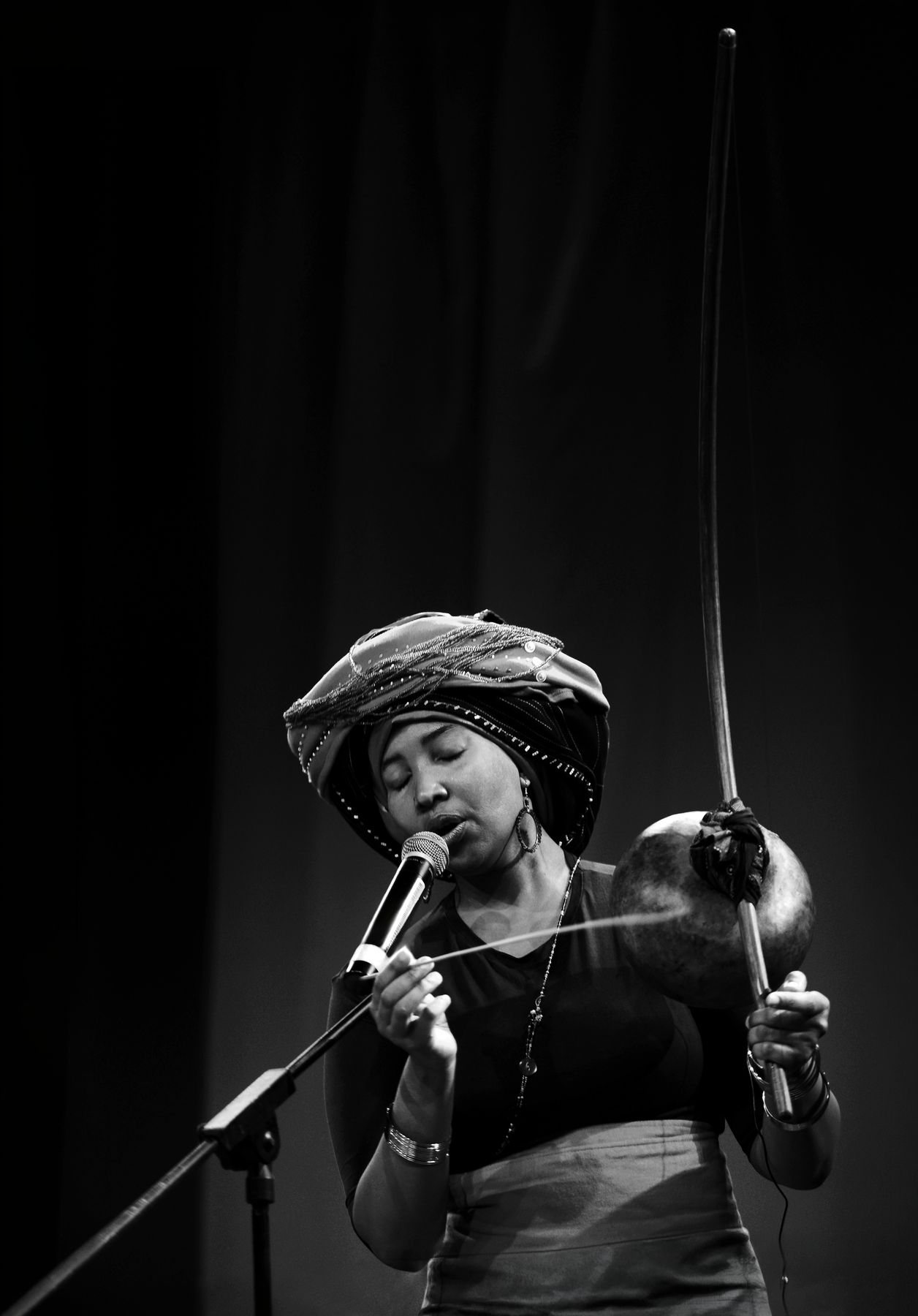
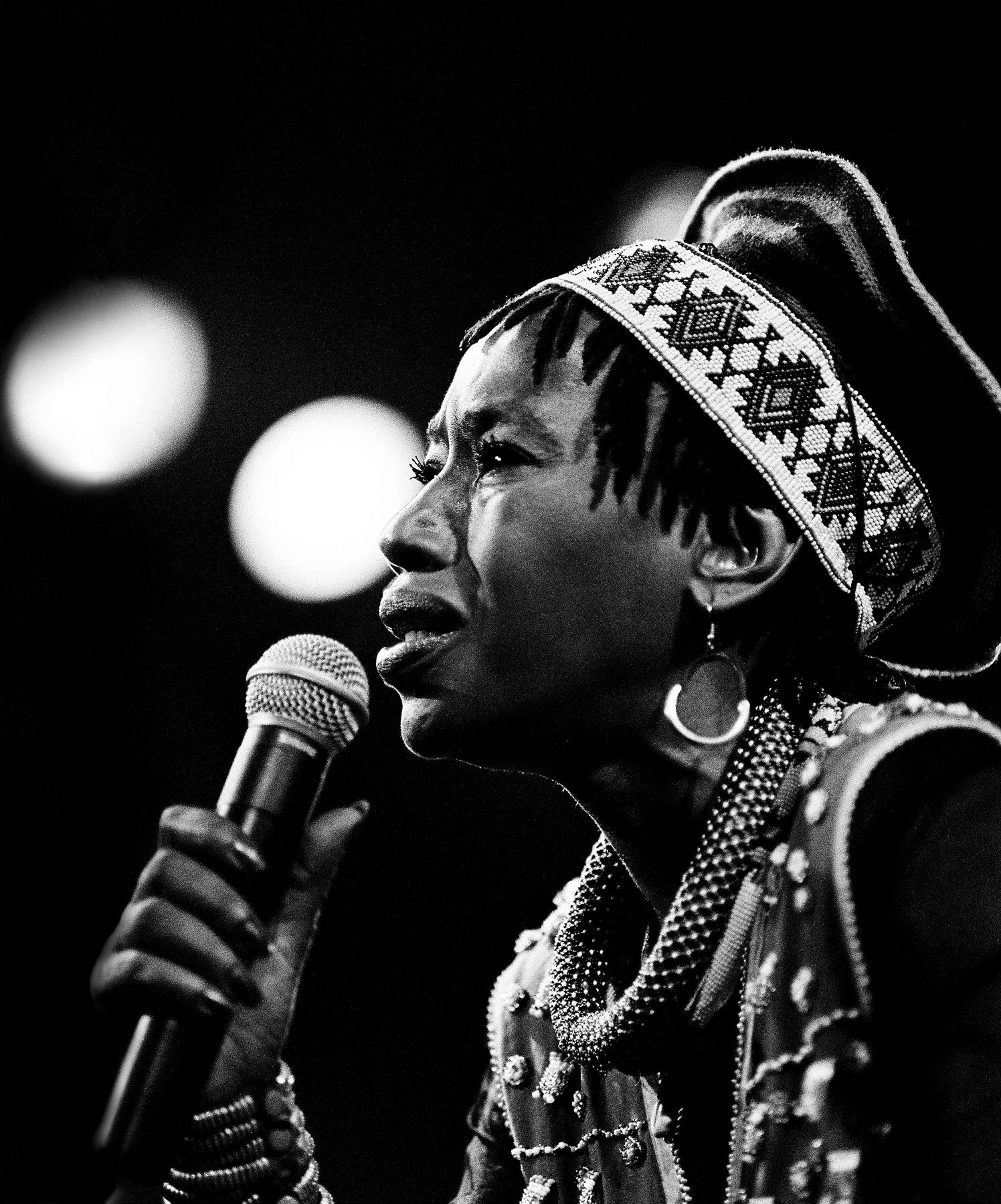
That understanding became the starting point for looking at Siphiwe Mhlambi’s photographs.
The aim was never to make the women in the archive fit the history of 1956. It was to allow the photographs to speak back to it.
And what emerged was a much fuller idea of what a woman’s voice can be.
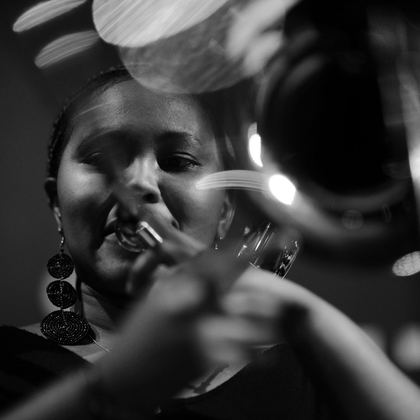
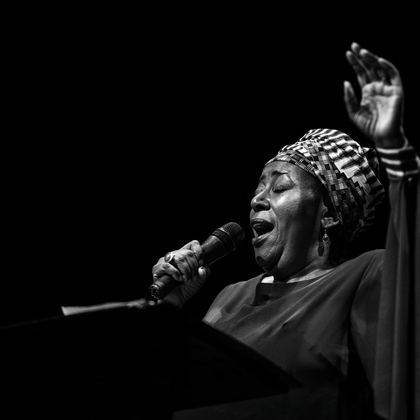
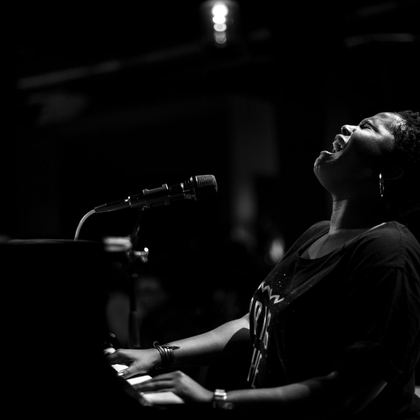
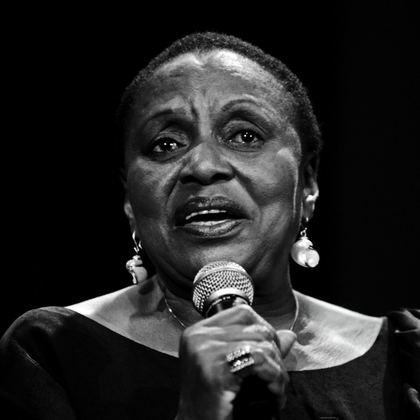
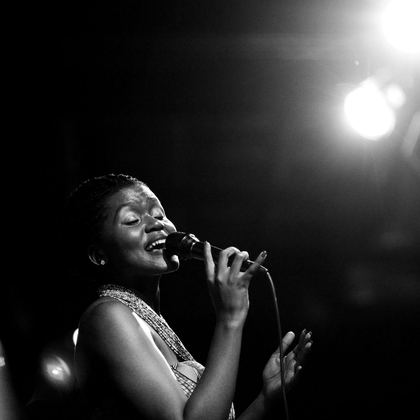
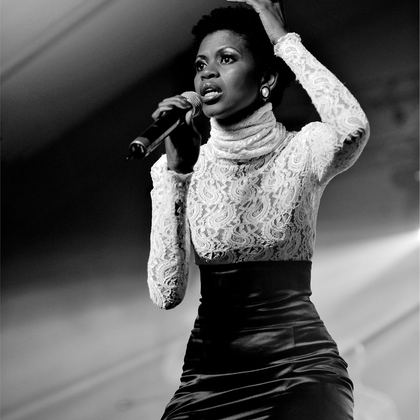
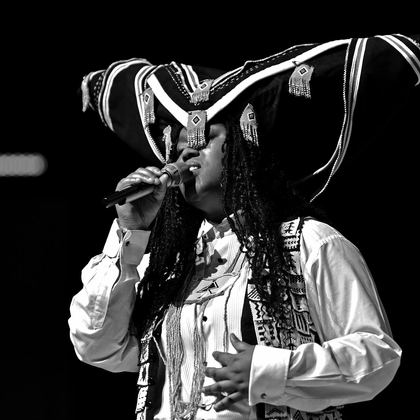
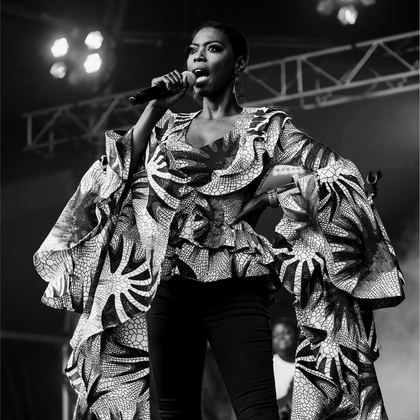
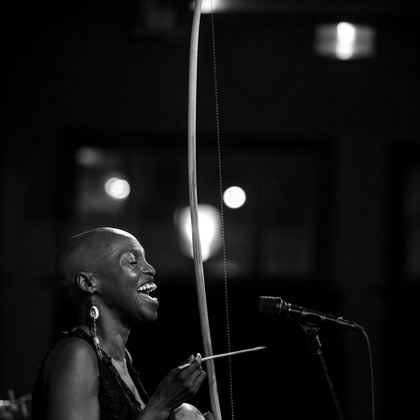
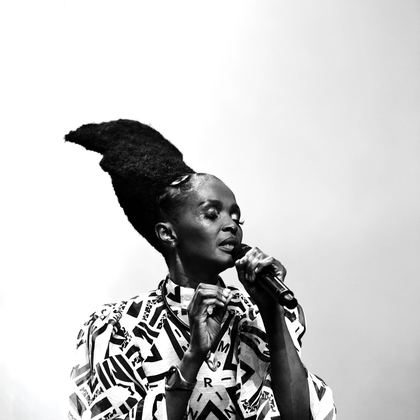
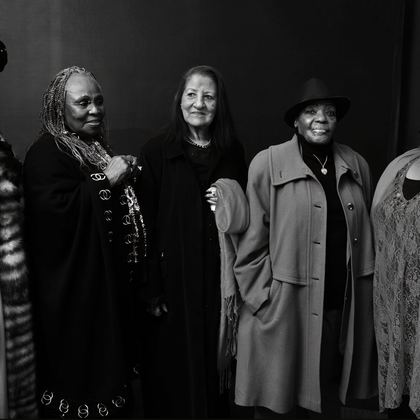
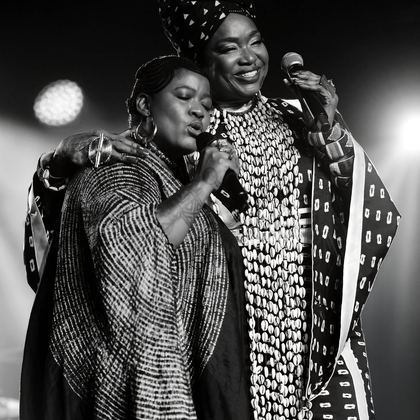
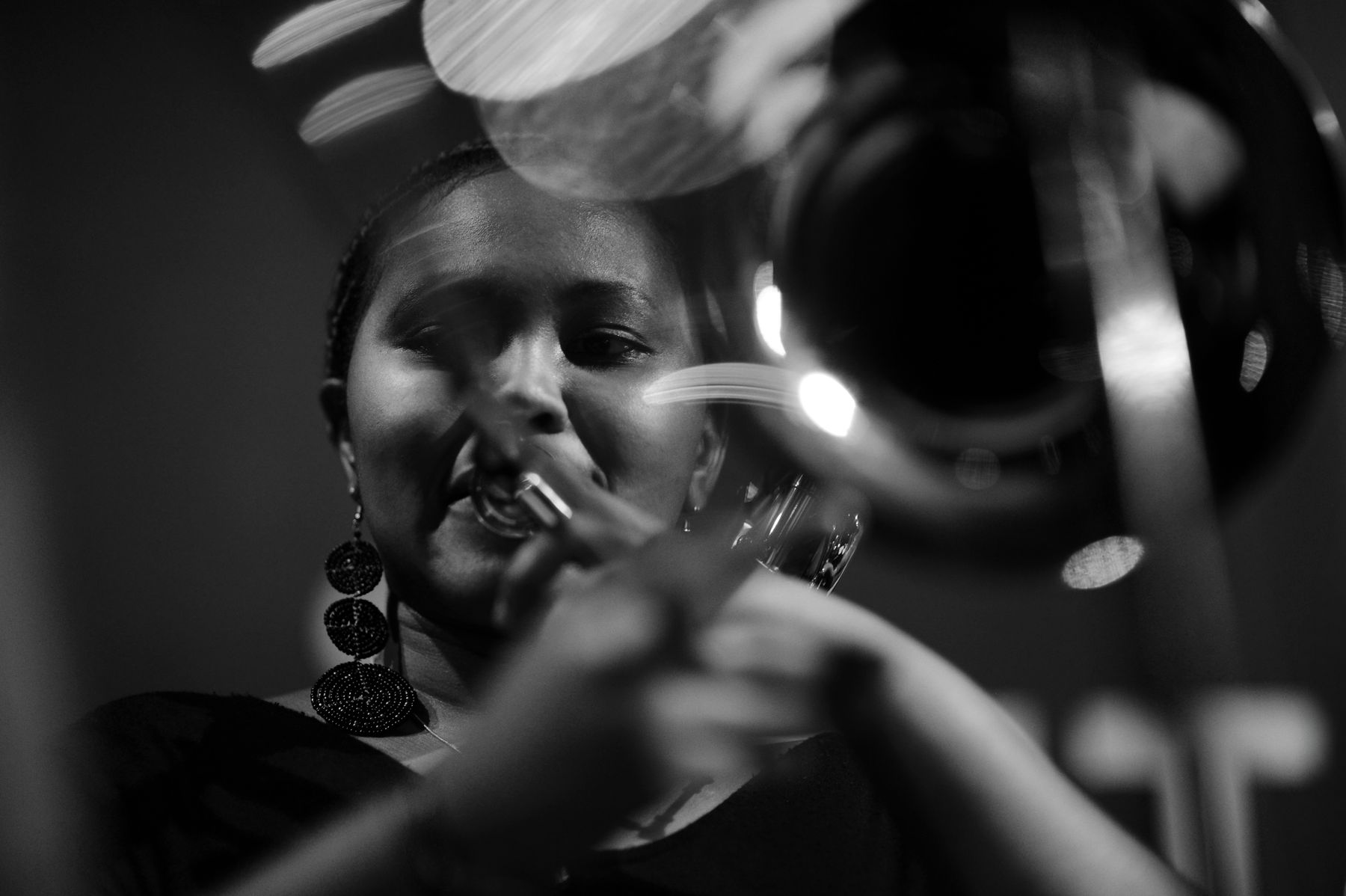
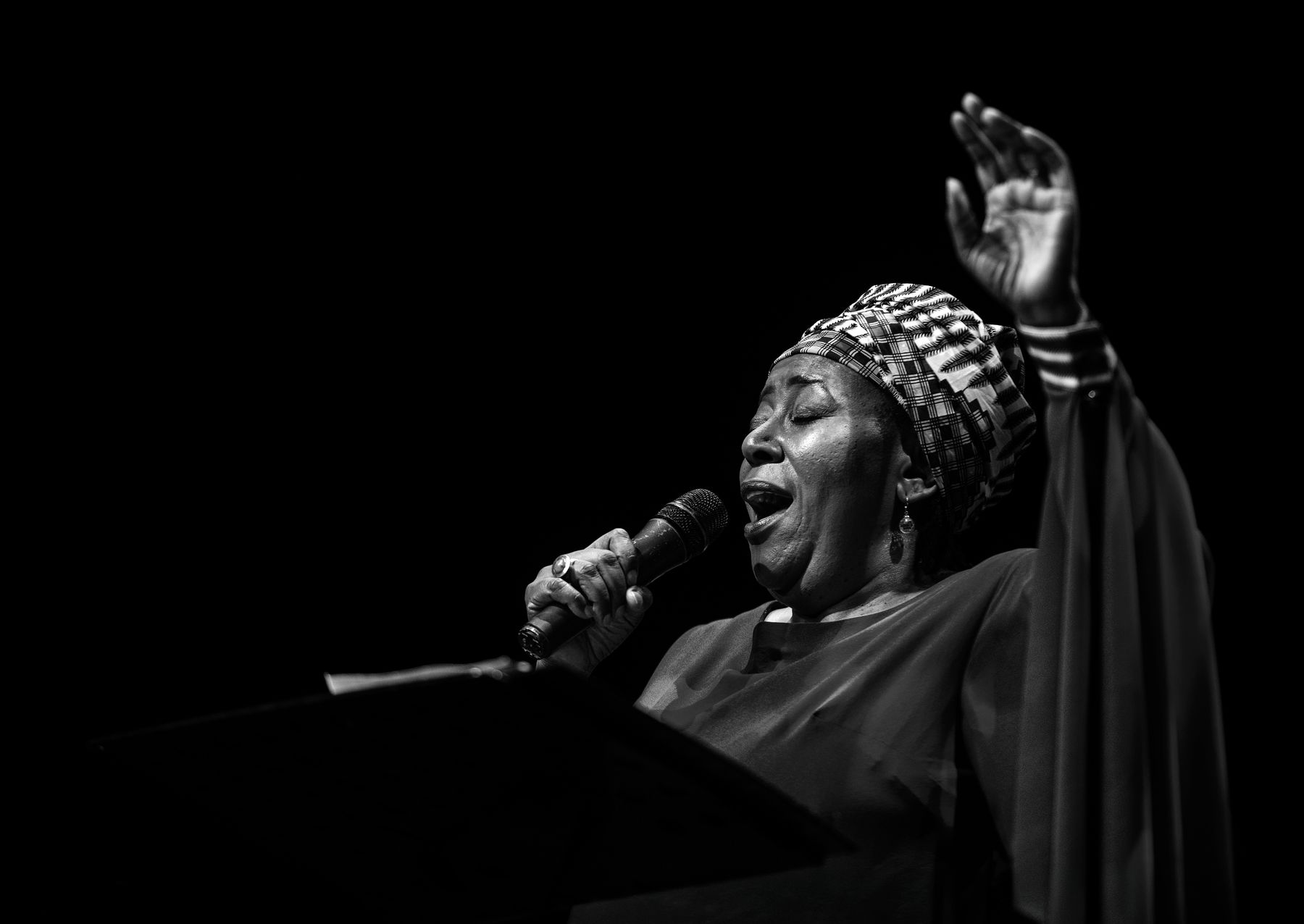
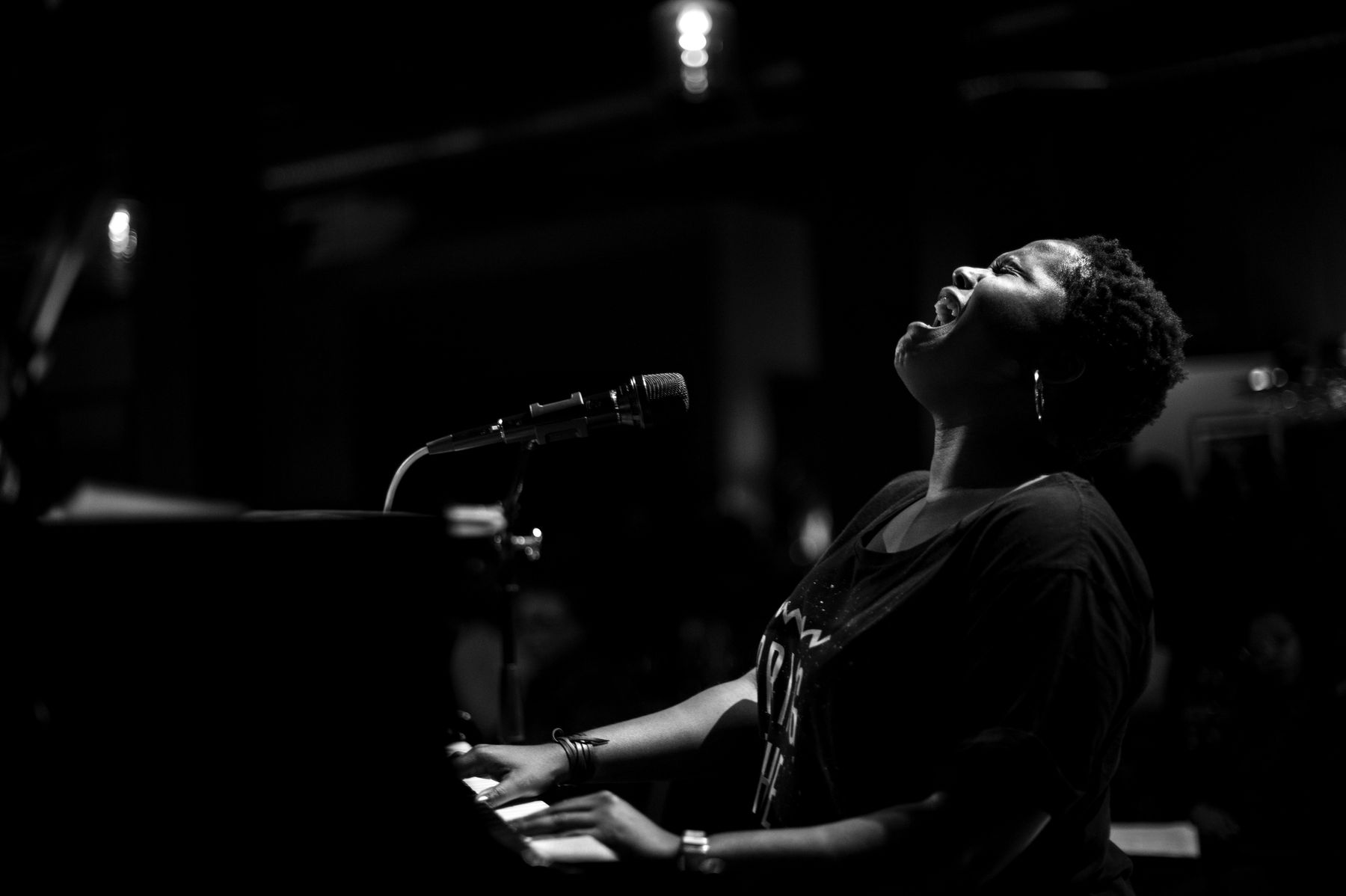
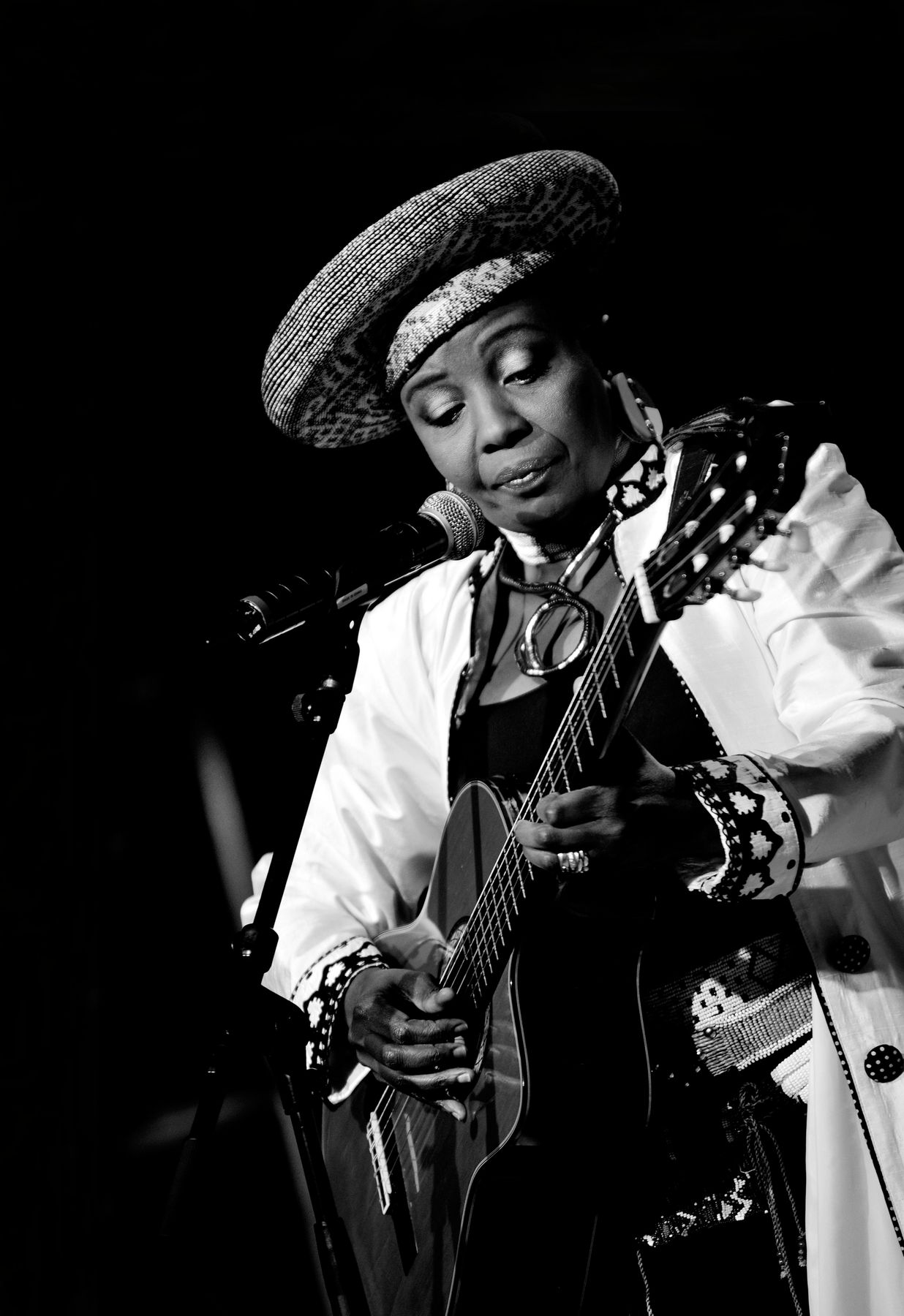
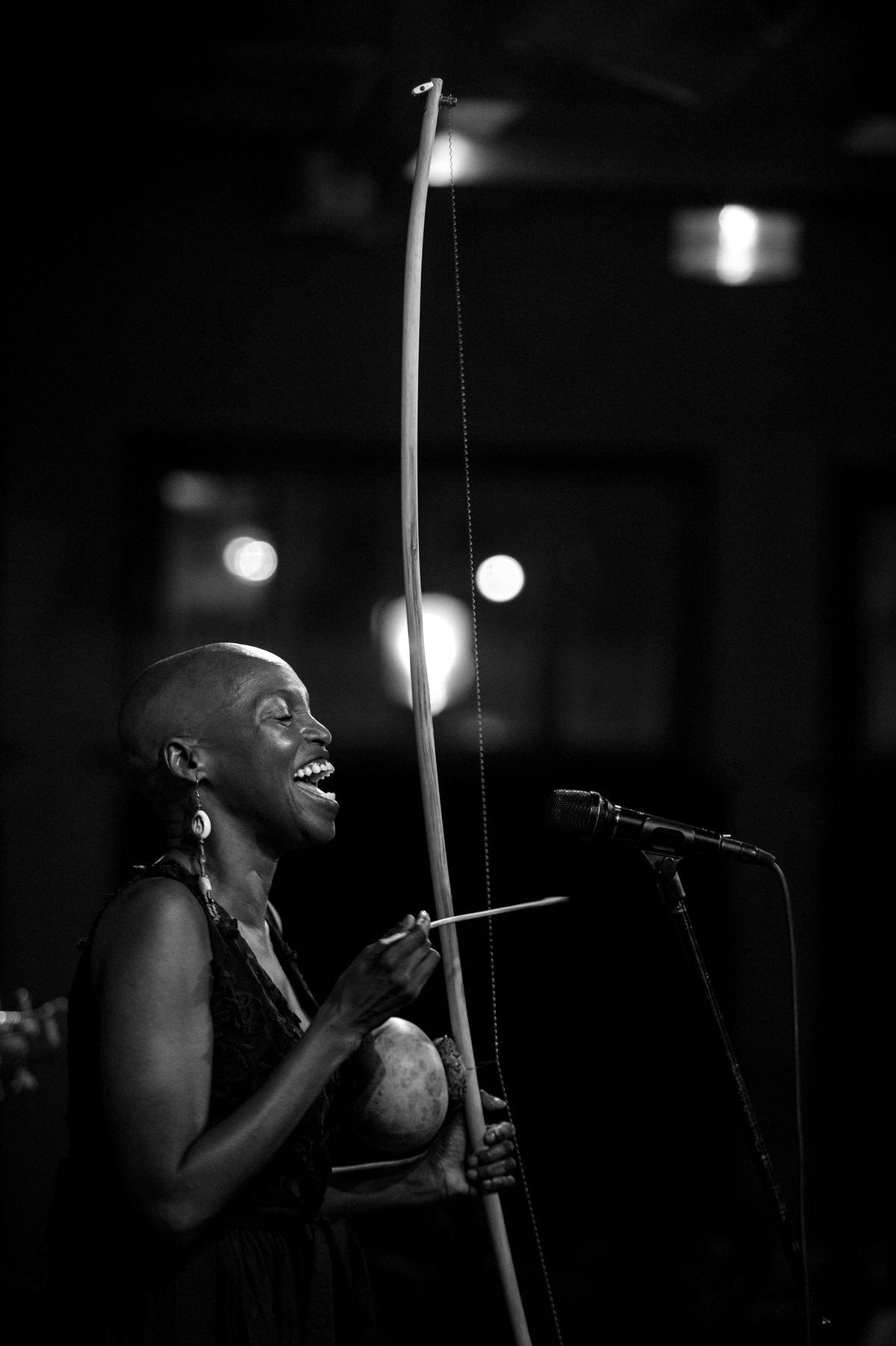
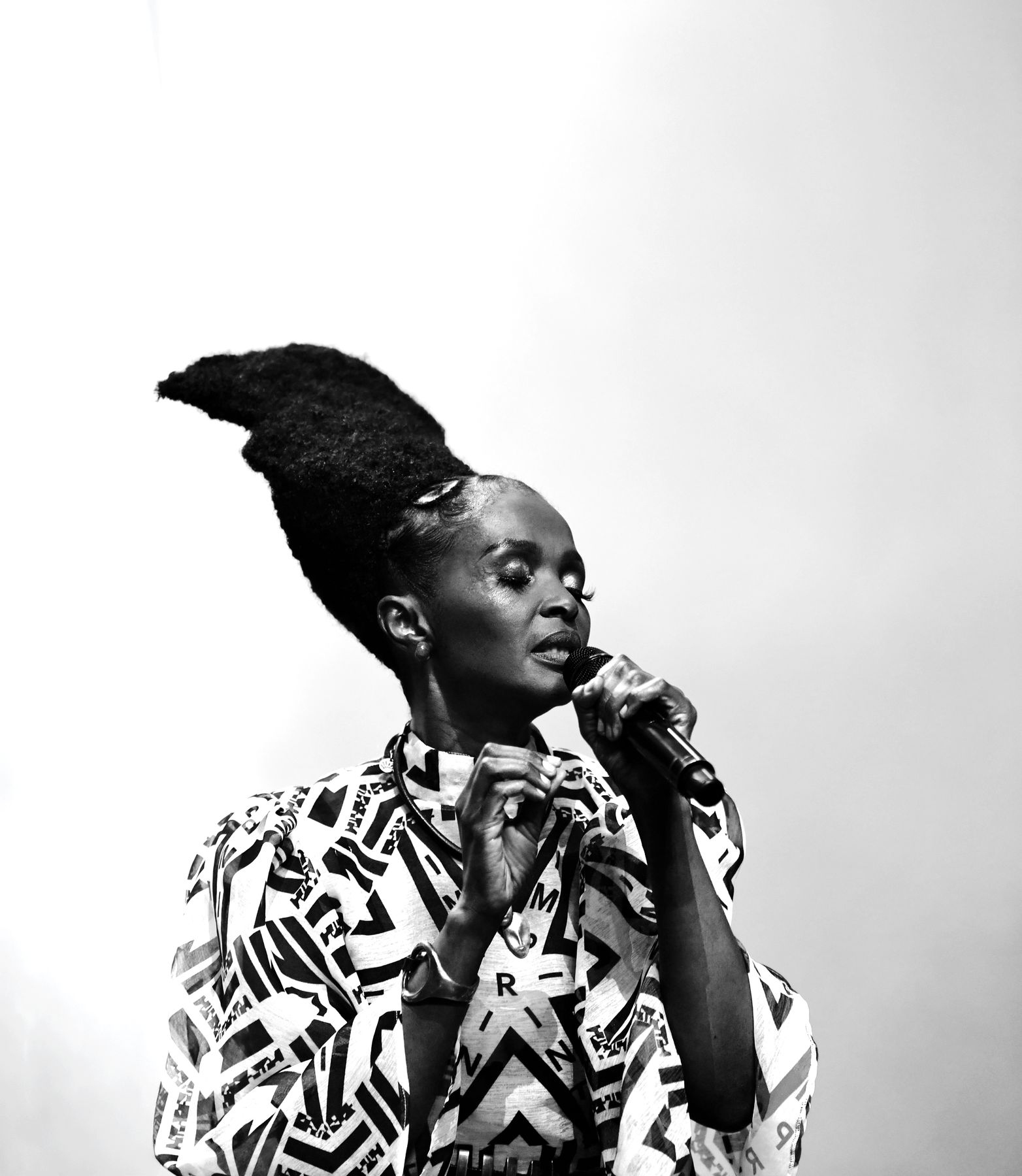
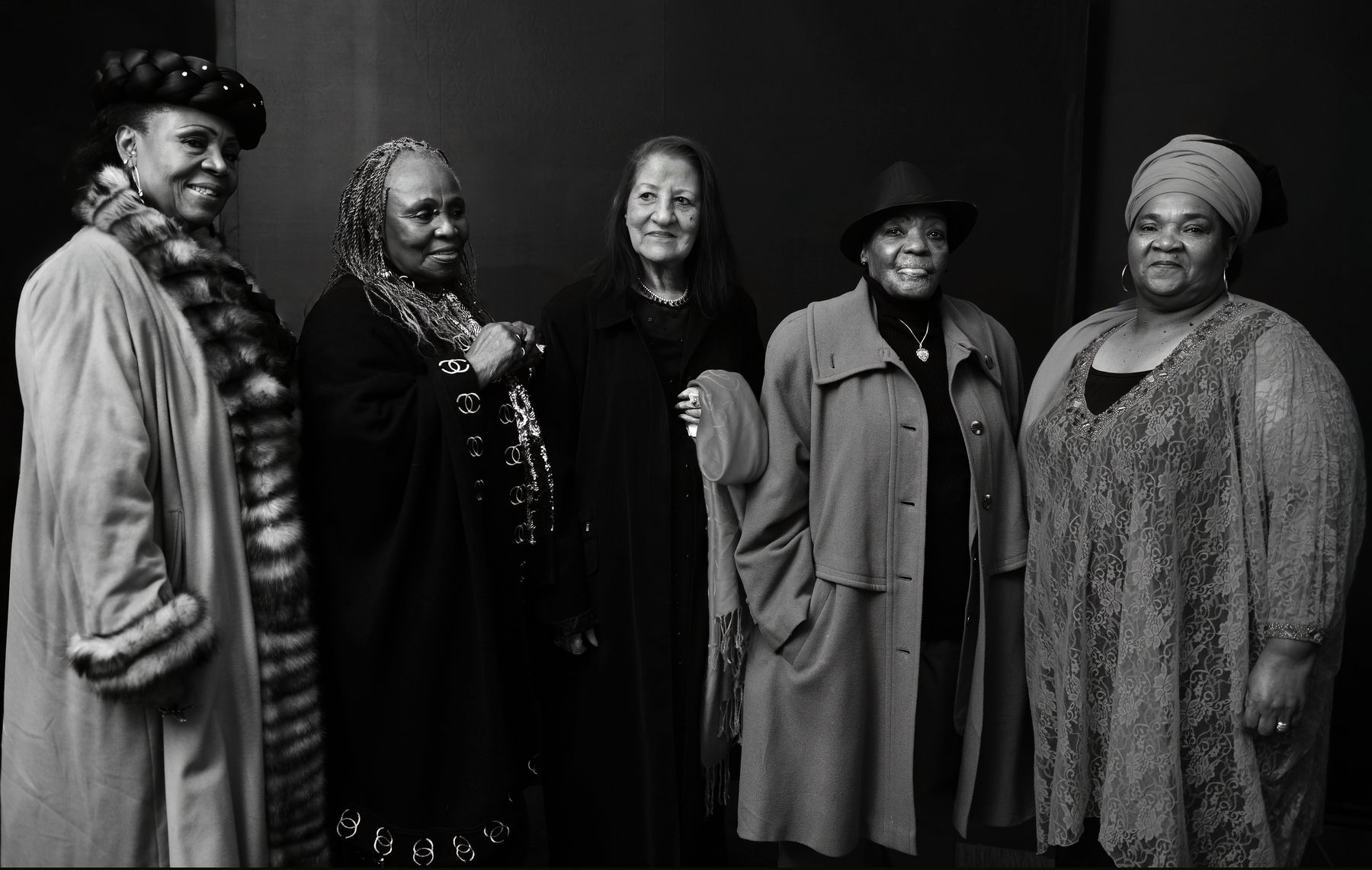
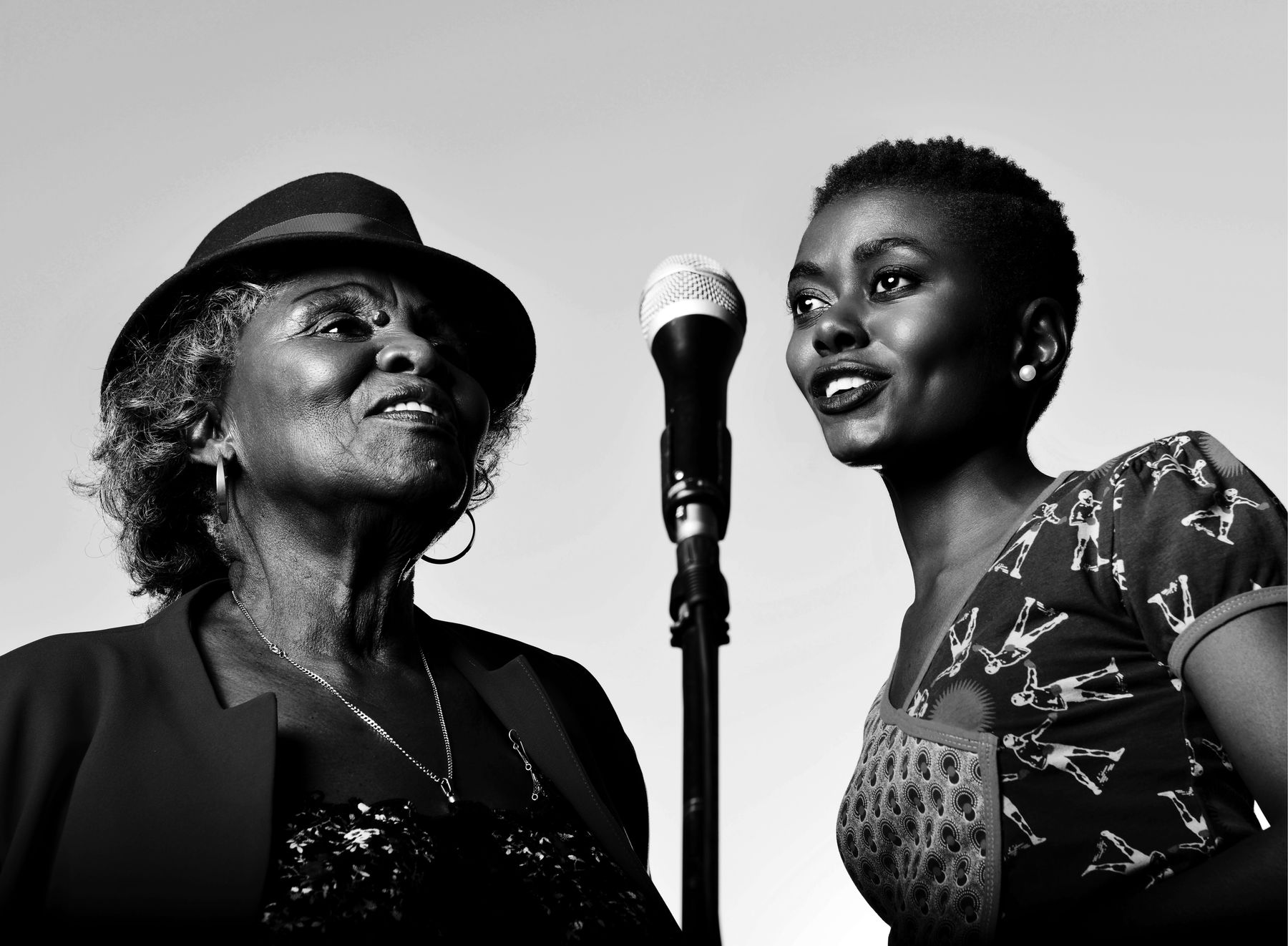
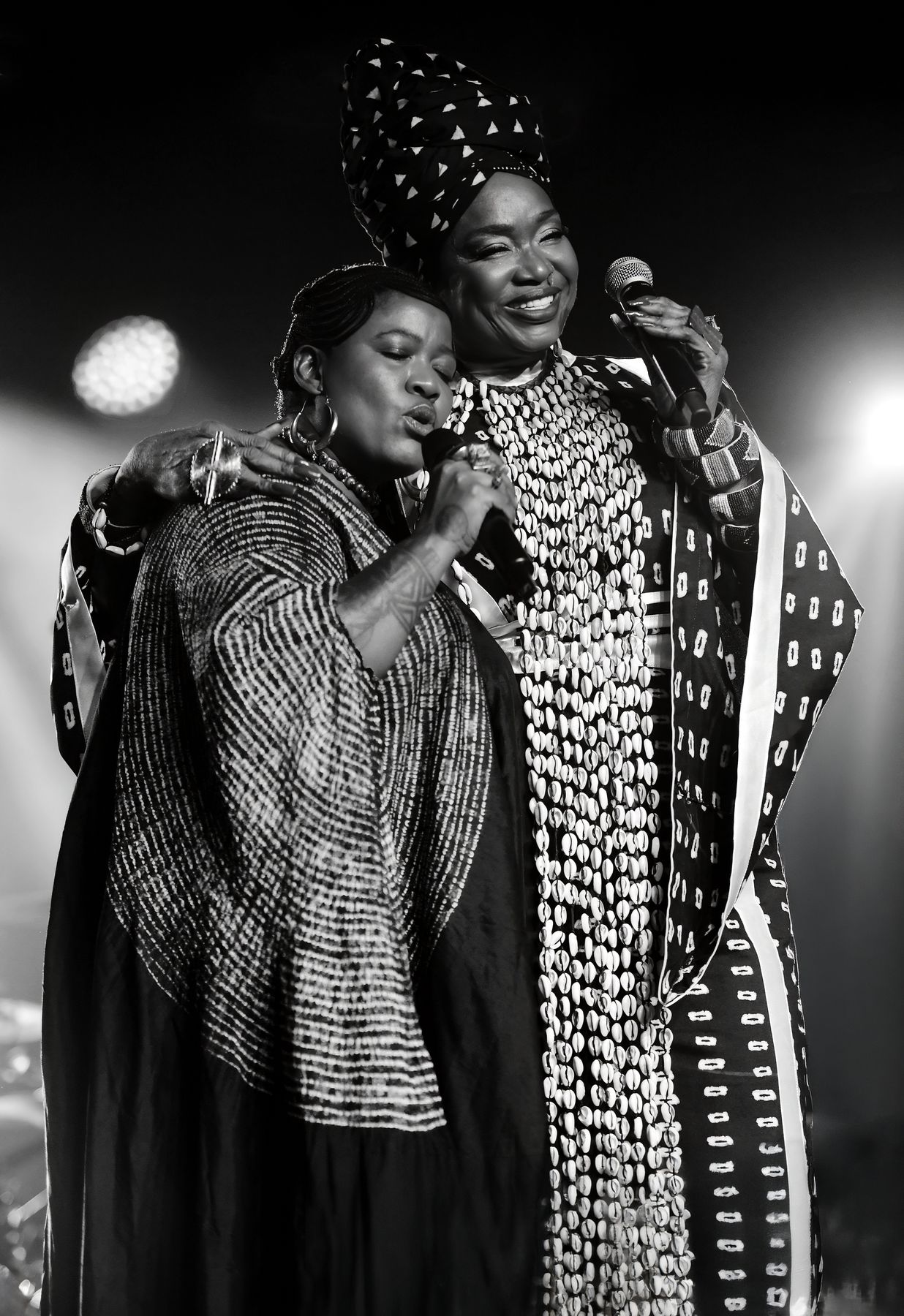
Her voice may be commanding, but it may also be quiet. It may carry grief, joy, tenderness, mastery, longing, stillness, intimacy or delight. It may be heard through song, through an instrument, through the body, through companionship, or simply through presence.
The women photographed here do not have to reproduce the struggle of those who came before them in order to honour them.
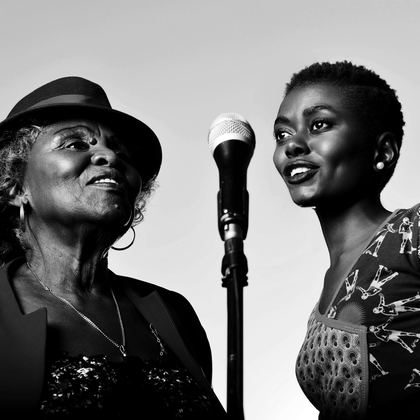
Inheritance is not imitation. It is receiving something that makes your own voice possible.
Perhaps that is where the connection to 1956 becomes most meaningful. One generation fought, organised, risked and imagined. Another inherits not a script to repeat, but more room from which to become.
Her Voice is therefore not about women finding their voices.
Women have always had voices. The question is whether the world has made room to hear the fullness of them.
This exhibition asks us to make that room.
Curated by Dr Boniswa Siwundla
Photography by Siphiwe Mhlambi